

A new class of fast‑acting treatment for depression

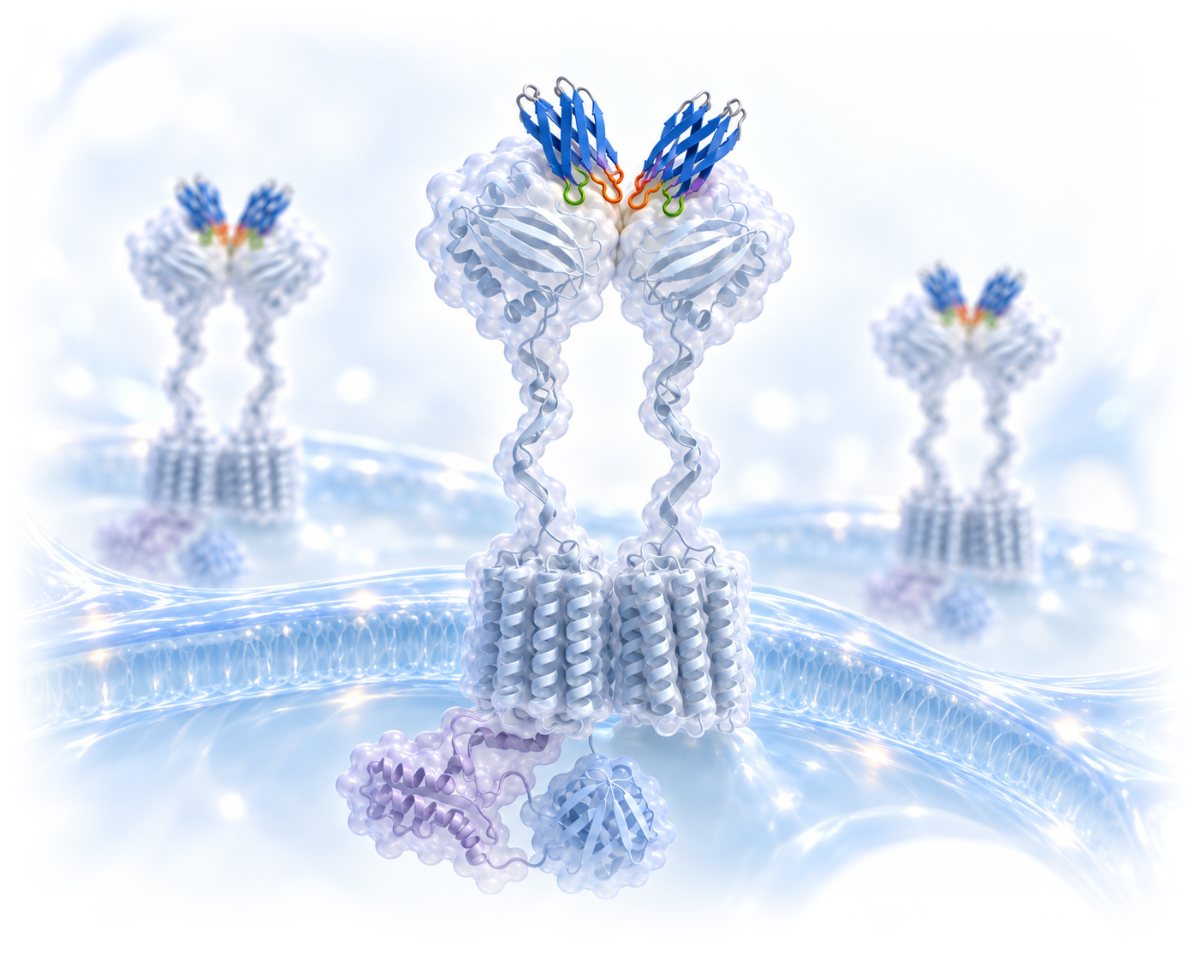
EvoDenovo is developing NB20, a first-in-class biologic that blocks mGlyR, a newly discovered brain receptor linked to depression.

Nature Communications Peer-reviewed mGlyR study, 2026
NIH / NIDA Nearly $3M in SBIR funding
MassVentures START award, 2026
University of Miami · University of Florida Research partners

A different approach to depression

The problem

Current antidepressants can take weeks to work, and about one in three patients still don’t get better after trying several of them.

Our approach

NB20 is a precision biologic that blocks mGlyR, a brain receptor that is increased in depression and dampens activity in the prefrontal cortex. It works through a different pathway from today’s antidepressants.

The evidence

In preclinical studies, blocking mGlyR produced fast and lasting antidepressant-like effects. The work was published in Nature Communications in 2026.

Illustration of the human brain with the prefrontal cortex highlighted
Illustration of a precision biologic binding mGlyR receptors on the surface of a neuron

Why mGlyR matters

mGlyR (also called GPR158) is a receptor in the brain that responds to glycine. It acts as a brake on nerve cells in the prefrontal cortex, a region that helps regulate mood.

Higher in depression

Levels of mGlyR are increased in the prefrontal cortex in major depression.

Driven by stress

In mice, chronic stress raises mGlyR levels through stress hormones.

Less mGlyR, more resilience

Mice without mGlyR resist stress and show antidepressant-like behavior, while extra mGlyR causes depressive-like behavior.

NB20 is designed to block mGlyR and release this brake.

Read the Nature Communications paper ↗

For brain disorders like depression, EvoDenovo's VHHs offer a new way to drug hard targets. Their selectivity enables clean modulation of biology that small molecules often struggle to reach, opening the door to first-in-class approaches. Against Depression Precision Biologics Precision Biologics EvoDenovo VHH

Mission

Our mission is to put patients first by developing transformative antidepressant therapies that work rapidly and lastingly, built through rigorous translational science and a development path designed for broad clinical impact.

man_looking_3000w_light

Collaborators

nida
University-of-Florida-Logo
seattle-children-s-university-of-washington-children-s-hospital-pediatrics-hospital-children-thumbnail-1

We use rigorous science to reimagine mental health treatment.

EvoDenovo is a biotechnology company dedicated to accelerating patient access to evidence-based innovations for depression.

Restoring Prefrontal Cortical Excitability via mGlyR Inhibition

This animation illustrates the physiological impact of our lead therapeutic, NB20, on layer II-III pyramidal neurons in the prefrontal cortex. In depressive states, the metabotropic glycine receptor (mGlyR) suppresses intrinsic neuronal excitability. As depicted, NB20 (yellow) selectively binds to mGlyR to block its inhibitory signaling. This intervention rapidly lowers the neuron’s firing threshold (rheobase), meaning it requires less input to fire, without altering its resting membrane potential. The result is a robust generation of action potentials and a restored neural network primed to alleviate depressive symptoms.

Pipeline

Two first-in-class programs targeting novel GPCRs in the brain.

Program
Target & modality
Indication
Discovery
Lead optimization
IND-enabling
Phase 1
NB20
mGlyR (GPR158)Biologic
Treatment-resistant depression
Lead optimization
EVD3Funded by NIH / NIDA
GPR139Small molecule
Opioid use disorder
Discovery

Management Team

Ira Kalfus, Clinical Strategist at EvoDenovo

Clinical Strategist

30+ years in medicine and 15+ years in drug development, with a track record including FDA approvals and successful acquisitions.

Sid Labed, Co-Founder and CEO of EvoDenovo

Co-Founder & CEO

Sid Labed is a serial biotech founder and Harvard Medical School alum

Anas Fathallah, PK/PD Pharmacologist at EvoDenovo

PK/PD Pharmacologist

former Biogen Senior Translational/Clinical Pharmacologist Leader, overseeing preclinical development at EvoDenovo.

Scientific Team

Brock Grill, Advisor to EvoDenovo

Dr. Brock Grill is a Professor at the Department of Pediatrics, University of Washington; his lab laid the foundation for the GPR139 opioid use disorder program.

Kirill Martemyanov, Co-Founder of EvoDenovo

Professor and Chair at the University of Miami Miller School of Medicine; his lab laid the groundwork for the GPR158/mGlyR pathway in stress-induced depression.

Contact us!